
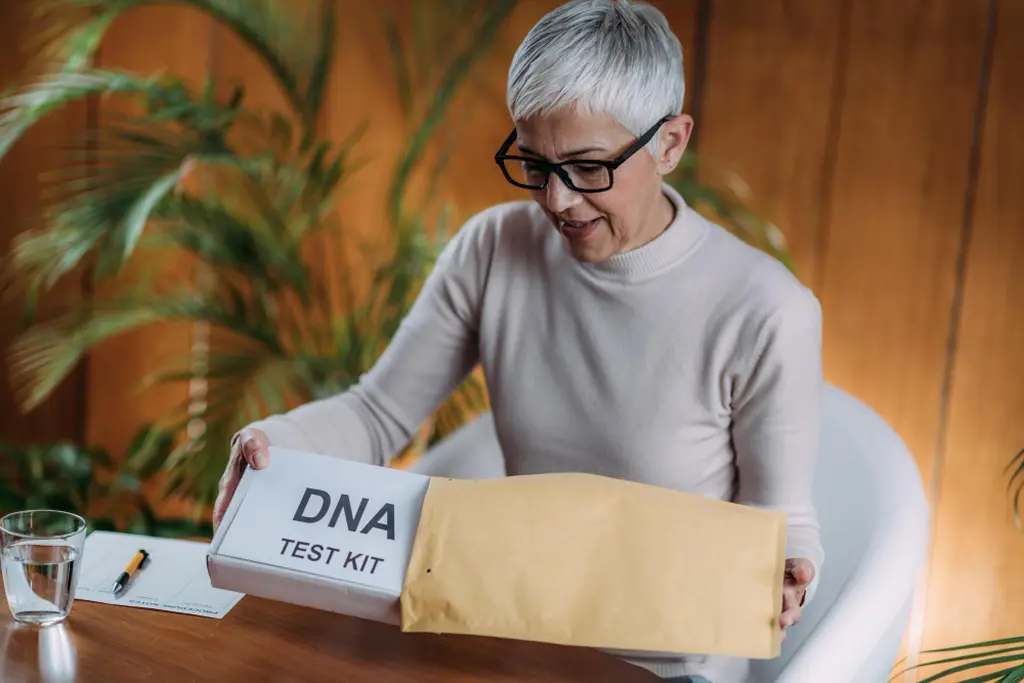
What Your DNA Test Can’t Tell You About Your Polish Ancestors
Your DNA Test Says You’re Polish. Here’s What It Can’t Tell You — and How to Find the Rest
The email arrives, you open the results, and there it is: “38% Eastern European.” Maybe it names Poland outright. Maybe it’s a wider smear across the map — Poland, Lithuania, a little Ukraine, all bleeding into one another. For a moment it’s thrilling. You finally have proof of something your family always half-said but never quite explained.
And then comes the second feeling, the quieter one: so… who were they?
Because a percentage isn’t a person. It can’t tell you your great-grandmother’s name, the village she left, or why she crossed an ocean and never spoke of it again. If you’ve hit that wall, you’re not stuck — you’re simply at the point where a DNA test ends and real family history begins.
What your DNA test actually tells you
A DNA test does two things well, and it’s worth being clear about both.
First, it gives you an ethnicity estimate — that “38% Eastern European.” It’s worth sitting with the word estimate. These percentages come from comparing your DNA to reference groups of living people, and they shift — sometimes noticeably — every time a company updates its models. People are often surprised when their numbers change overnight. That isn’t a mistake; it’s a reminder that the figure is a statistical approximation, not a birth certificate.
Second, it gives you DNA matches — other users who share segments of DNA with you. This can be genuinely useful, and now and then it connects people to living relatives they never knew they had.
What it gives you, in other words, is a direction. A hint. A door. What it can’t give you is what’s on the other side of that door.
What it can’t tell you
Here is what the test will never hand you, no matter how many times you refresh the page:
- Names. The specific people you descend from — your ancestors as individuals, not as a percentage.
- Places. The actual town or village they came from. “Eastern European” is not an address — and neither, frankly, is “Poland.”
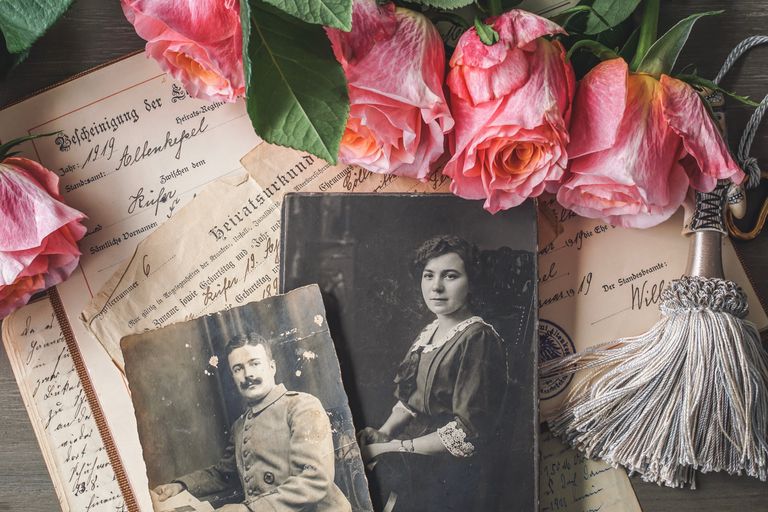
- The paper trail. The birth, marriage, and death records that prove who married whom, and when.
- The story. What they did, what they lived through, why they left, and how the pieces of your family actually fit together.
DNA matches don’t solve this either. A list of fourth cousins is not a family tree — it’s a pile of puzzle pieces with no picture on the box. To turn any of it into an actual lineage, you need documents. And that is exactly where Polish roots get complicated.
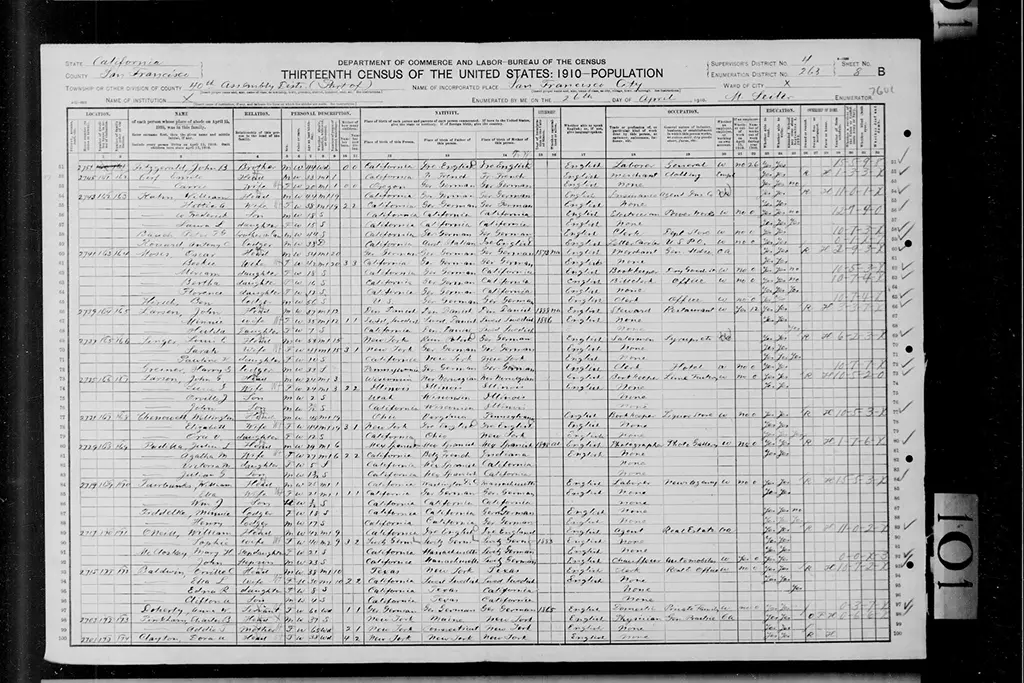
Why Polish ancestry is uniquely hard to trace
If your family were English or Irish, much of this would be a matter of searching digitized records from your couch. Polish ancestry is a different challenge — for reasons that have nothing to do with you and everything to do with history.
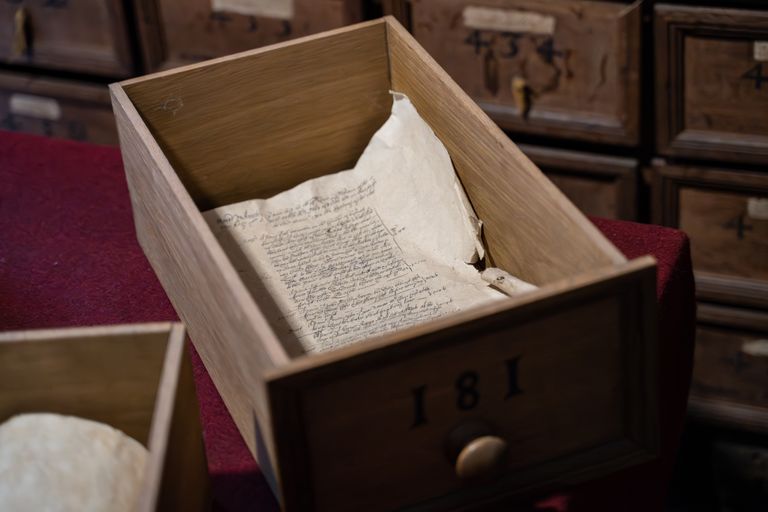
For well over a century, Poland did not exist on the map as an independent state. Its lands were divided among three empires, and the records of that era were kept accordingly — in Russian, in German, in Latin, alongside Polish. It is common to find a single family line documented in several of these at once, in old handwriting that is difficult to read even for native speakers today.
Then the borders moved again. The village your great-grandparents called Polish may sit in Lithuania, Ukraine, or Belarus now — often under a name no search engine will recognize. And most of these records were never digitized. They still rest in parish books and regional archives across Central and Eastern Europe, reachable in person, not online.
This is why so many people trace their family confidently back to the immigrant who arrived — and then hit a wall the moment the trail crosses the ocean.
A quick word about that changed surname
Nearly everyone with immigrant roots has heard the story: the family name was changed at Ellis Island by an official who couldn’t spell it.
It’s almost always a myth. Officials at Ellis Island worked from passenger lists written at the European port of departure, by people who knew the local names. They weren’t renaming anyone. When names did change — and they often did — it usually happened later, and it was usually the immigrants themselves who simplified the spelling to fit into American life.
Why does this matter? Because finding your family in the old records means knowing what they were actually called before they arrived — and that is rarely the name on your mailbox today. Recovering the original spelling is part of the work.
So where do you actually start?
Not with the archives in Poland. That’s the mistake most people make — jumping straight to the “old country” without knowing where in it to look. With hundreds of parishes and archives spread across four modern countries, “somewhere near Poland” simply isn’t enough to begin.
You start on this side of the ocean.
The first real step is what I call origin research: working backward from American records — immigration and naturalization papers, censuses, church and civil records — to pin down the essentials. Where, precisely, did your ancestors come from? When did they emigrate? And do the records needed to go further still survive?
Only once you have a specific place — a town, a parish — does the trail in Europe truly open up. And only then is it possible to say, honestly, how far back your particular family can be traced.
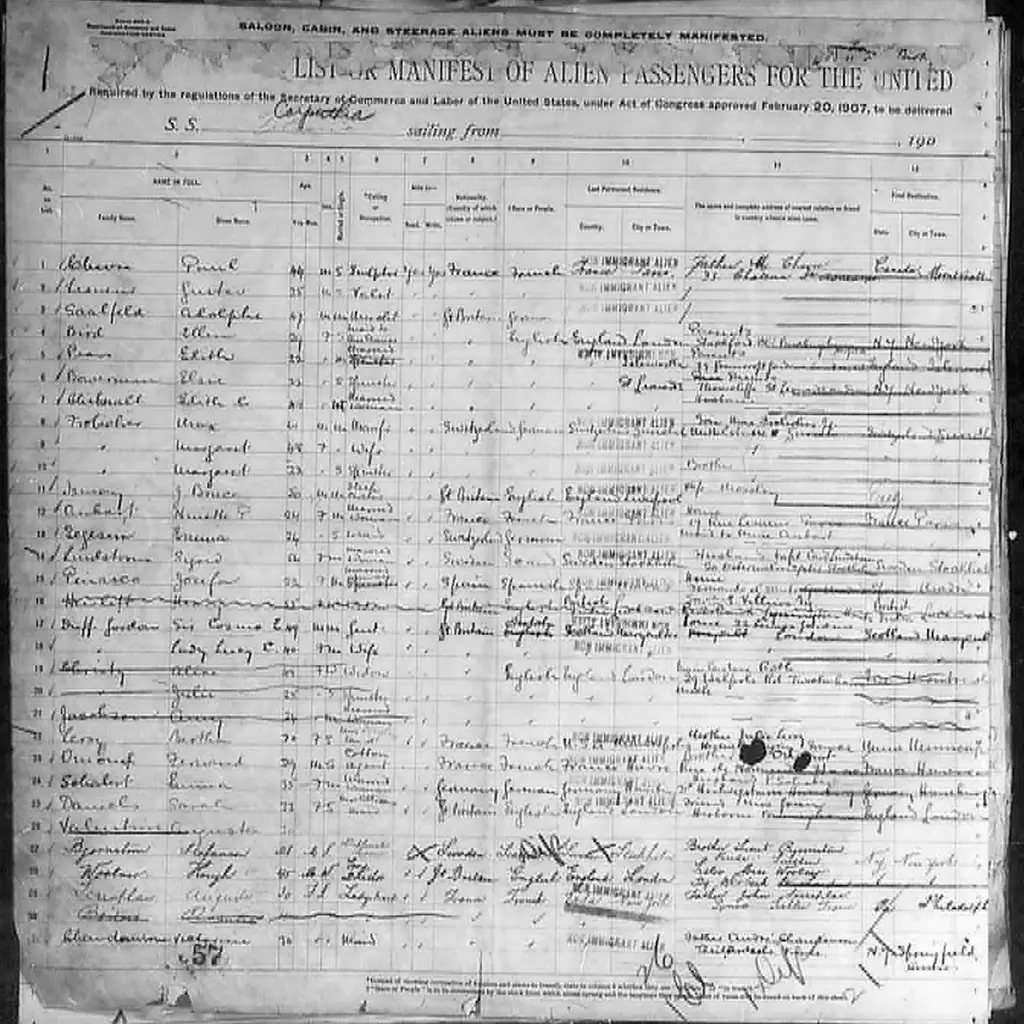
What’s actually possible
Here’s the honest version, because you deserve one.
Where the records survive, Polish family lines can often be traced to the 1700s, and sometimes into the 1600s — not through guesswork or a decorative certificate, but through original documents, each one real evidence for a real person.
But “where the records survive” is doing important work in that sentence. Wars, fires, and shifting borders destroyed some archives entirely. No honest genealogist can promise you a coat of arms, a noble line, or any particular discovery before the research is done — anyone who does is selling a story, not finding one. What I can promise is a rigorous search of what actually exists, and a clear, truthful account of what it reveals.
Sometimes what the documents show is more ordinary than the family legend. Sometimes it is far more remarkable. Either way, it is yours — and it is real.
From a percentage to a story
A DNA test is a wonderful place to start. It is simply not the place to stop.
If it has woken something in you — that need to know not what percentage you are, but who they were — the next step isn’t another test. It’s finding the people behind the number: their names, their village, their lives, recovered from the records they left behind and, if you wish, gathered into a family chronicle your own children and grandchildren can hold long after the questions have passed to them.
Your DNA told you where to look. The rest is waiting to be found.
Ready to find out where your family really came from?
Origin research is the place to begin — a focused first step that pinpoints your ancestors’ hometown and shows you exactly what’s possible from there.