
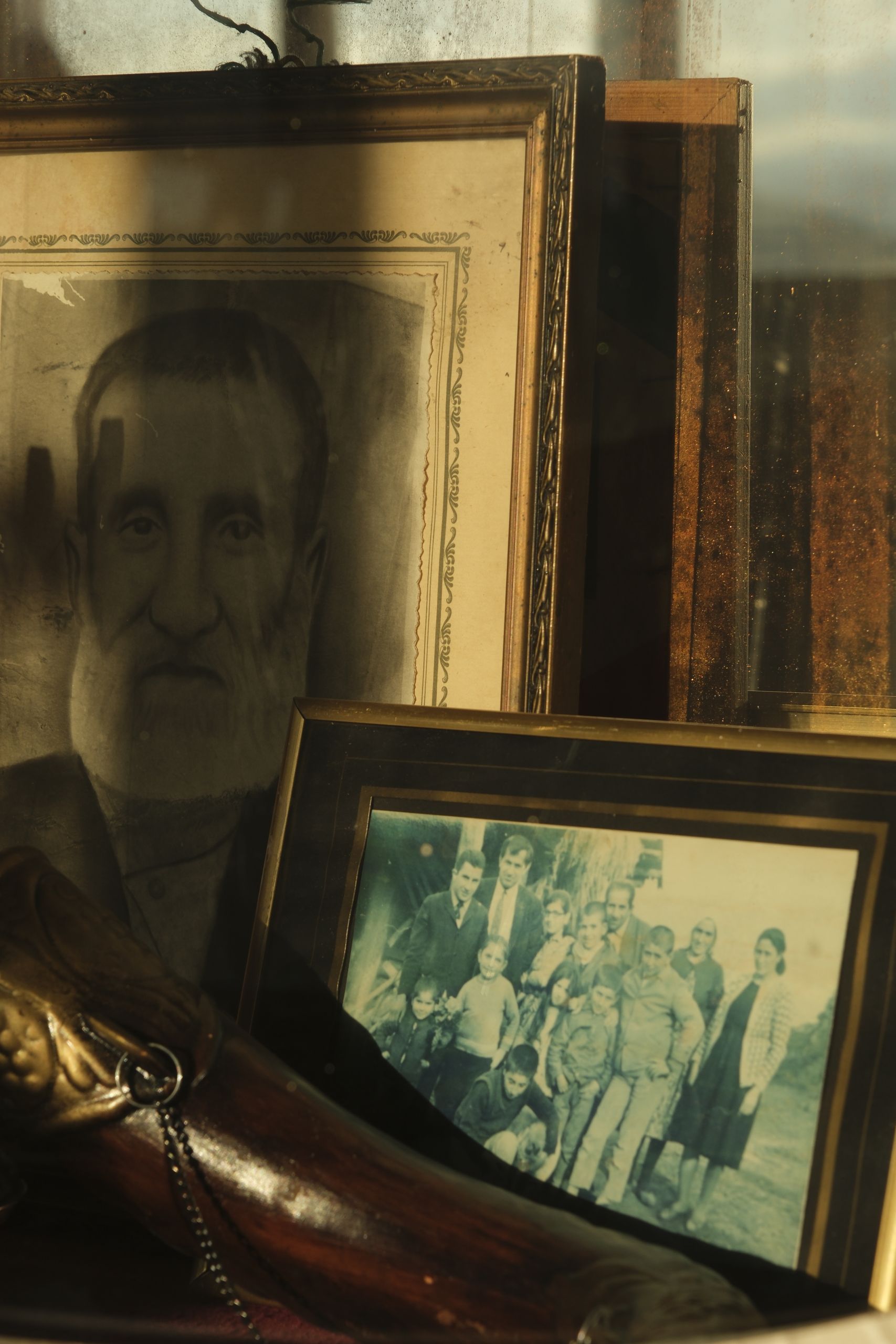
My Ancestors Were From “Poland” — But Their Village Is Now in Ukraine (or Lithuania, or Belarus)
“My grandparents were Polish.” It’s a sentence millions of Americans say — and it’s true, in the way they mean it. But if you’ve started researching your family history, you may have discovered something confusing: the village your family came from isn’t in Poland anymore.
It might be in Lithuania. Or Ukraine. Or Belarus. Or a territory that multiple nations have ruled over the years, making it hard to say which country “really” owns it.
This isn’t a mistake. It’s history — and understanding it is the key to finding your ancestors.
Why the Borders Moved (And Your Ancestors Didn’t)
The borders of Central and Eastern Europe have shifted dramatically over the past 200 years. Neighboring empires partitioned the Polish-Lithuanian Commonwealth — one of the largest states in early modern Europe — out of existence in the late 18th century. After World War I, Poland re-emerged as an independent state with borders that included large portions of what is now Lithuania, Ukraine, and Belarus. After World War II, those borders shifted again, and authorities forced millions of people to move — or they stayed in place while the country around them changed.
Your ancestors didn’t necessarily move anywhere. The village they lived in simply ended up in a different country than the one they’d always called home.
This is why your grandmother called herself Polish even if she was born in a village that is now in western Ukraine. To her, she was Polish — culturally, linguistically, religiously. The political borders were something that happened to her, not something she chose.
What This Means for Your Genealogy Research
Because of these shifting borders, another country might now hold your family’s records. This applies even if your ancestors emigrated from Poland and identified as Polish.
- If your family is from the Vilnius region (now Lithuania): Records are held primarily in the Lithuanian State Historical Archives in Vilnius. This research requires access to Lithuanian archives. Sometimes, you must work with local researchers who know the archive staff.
- Your family is from Galicia (now split between Poland and western Ukraine): Polish state and diocesan archives hold most records from the Polish side of Galicia. Ukrainian regional archives keep records for areas like Lviv, Ivano-Frankivsk, and Ternopil. However, accessing these archives has become harder since 2022. Because of this, you should work with an experienced local researcher.
- If your family is from the eastern borderlands (now Belarus): Records for families from the Grodno, Brest, or Minsk regions are held in Belarusian state archives. This research is particularly challenging due to the political situation in Belarus, banking restrictions, and limited remote access to records.
- Your family is from the Vilna/Suwałki/Augustów area: This region straddles what is now northeastern Poland and southern Lithuania. Records may be split between Polish and Lithuanian archives depending on the exact village and time period.
How to Figure Out Which Country Holds Your Records
The first step is identifying the specific village your ancestors came from — not just the country. Once you have a village name, it’s possible to determine which archive holds records for that location.
This can be complicated by several factors:
Village names changed. Many villages have different names in Polish, Lithuanian, Ukrainian, Russian, and German. A village called “Wilejka” in Polish might be listed as “Vileika” in Belarusian records, or transliterated differently in American immigration documents. Finding the right place requires knowledge of historical geography and linguistics.
Villages were absorbed or renamed. Some villages that existed in the 19th century no longer appear on modern maps — they were absorbed into larger towns, renamed, or simply abandoned.
Your ancestor may not have known (or remembered) the exact village name. Many immigrants gave the name of the nearest large town rather than their actual village. “From Warsaw” might mean from any of dozens of surrounding villages.
Working through these complications is part of what professional genealogy research involves — and it’s one of the reasons that having a researcher with regional expertise makes such a significant difference.
The Former Polish-Lithuanian Commonwealth: Your Real Ancestral Geography
Did your Polish ancestors come from modern-day Lithuania, Ukraine, or Belarus? If so, they belonged to a broader historical world. They lived in the former Polish-Lithuanian Commonwealth and the Kresy. For centuries, these eastern borderlands home to a diverse mix of Poles, Lithuanians, Ukrainians, Belarusians, and Jews.
Researching these families requires expertise that goes beyond standard Polish genealogy. You need researchers who:
- Understand the historical context of the region (which partition, which administrative system, which religious community)
- Can access archives in multiple countries
- Read records in multiple languages — often Polish, Russian, and the language of whichever country holds the archive today
- Have working relationships with local archive staff and on-site researchers
This is exactly the kind of research I specialize in. My work covers the full territory of the former Polish-Lithuanian Commonwealth — including present-day Poland, Lithuania, Ukraine, and Belarus — with a network of archive researchers in each country.
What You Can Find
Despite the complexity, research into families from the eastern borderlands can be remarkably rich. Records survive from the 18th and 19th centuries across much of this territory — Catholic, Greek Catholic, Orthodox, and Jewish records alike. Families can often be traced back four, five, or six generations, uncovering stories that span multiple countries and historical periods.
The research is more complex than tracing a family from central Poland. But the results — a fully documented family history from a part of the world that most Americans know almost nothing about — are often extraordinary.
Ready to find out where your family really came from?
Origin research is the place to begin — a focused first step that pinpoints your ancestors’ hometown and shows you exactly what’s possible from there.