
Ancestry Research
Polish Ancestry Research, done for you
I trace your ancestors through the original archives of Poland, Lithuania, Ukraine, and Belarus — working with the Polish, Russian, Latin, and German records you can’t access on your own. Every discovery is carefully documented and shaped into a clear, well-researched history your family can finally read.
Why family history hits a wall
Most people make impressive progress on their own. They identify grandparents, great-grandparents, perhaps even the village their family came from. Then the trail goes cold.
American records rarely tell the whole story. Once your ancestors crossed the Atlantic, their history disappears into archives written in Polish, Russian, Latin, and German — often in handwriting difficult even for native speakers to read today — scattered across several countries and hidden in records that were never digitized.
This is exactly where my work begins.
The trail ends at immigration
U.S. records take you back to the ancestor who arrived – and then the paper trail crosses an ocean and goes quiet.
The records are in another language
Polish, Russian, Latin, German – often all within the same family line, written in old handwriting that’s hard to read even for native speakers.
The documents aren’t online
The records that matter are still held in parish and state archives across Central and Eastern Europe — most never digitized, many reachable only in person.
The map has changed
Borders shifted, towns were renamed, and the village your family came from may sit in Lithuania, Ukraine, or Belarus today — under a name no search engine recognizes.
How it works
Every project moves through the same path. We start small and certain, and only go as deep as the records allow — so you always know what you’re paying for, and why.
Step 1
Origin Research
Typically $500 · Around 3 months
Before anything else, we need one thing: exactly where in Europe your family came from. If you don’t know yet, this is where we find out.
I work backward from American records to pin down the essentials — where your ancestors came from, when they emigrated, and whether the records needed to go further still survive in the archives. By the end, you have a clear, documented answer and an honest assessment of how far your family’s story can realistically be traced.
It’s the smallest, safest way to begin — and it makes sure you never pay for research that can’t be done.
If the information you provide is sufficient, we’ll be able to move on to Step 2 right away.
Step 2
Deep Research
From $2,000 per stage · about 6 months per stage
This is where the real archival work begins.
I examine the original sources most people never reach — parish and civil registers, census returns, military and notarial records, and other archival documents held across Poland, Lithuania, Ukraine, and Belarus, in Polish, Russian, Latin, and German.
Depending on when your ancestors left and how many lines you want to follow, the research may take one stage or several. After Step 1, I’ll tell you exactly how many stages I recommend and what each will cost — so there are no surprises, and you’re never buying blind. I work in large blocks rather than piecemeal lookups, which is what makes the deepest discoveries possible.
Step 3
Your Family Chronicle
Priced individually
When the research is done, you can choose to gather everything into a Family Chronicle — a narrated book built to outlive all of us, and to tell the generations who come after you exactly where they came from, long after they might have forgotten.
Because every family’s story is a different size, chronicles are priced individually.
See what a Family Chronicle is →
Where I research
Your ancestors were Polish — but the town they came from might not be in Poland today. That’s not a problem. It’s exactly what I do.
I research across the lands of the former Polish-Lithuanian Commonwealth: today’s Poland, Lithuania, Ukraine, and Belarus. For centuries these were one country, and millions of Polish families lived far beyond the borders of the modern Polish state. When your great-grandparents emigrated, the village they left may have been Polish then — and sit in Poland, Ukraine, Lithuania, or Belarus now.
So if any of this sounds like your family, you’re in the right place:
- Roots in Galicia — southern Poland and western Ukraine, including Lwów (today’s Lviv) and the surrounding region
- Ancestors from the Russian Partition — central and eastern Poland, and the old eastern borderlands (the Kresy)
- Origins in the Prussian Partition — western Poland, including Poznań, Pomerania, and Silesia
- A town name in Lithuania, Ukraine, or Belarus that your family always called Polish
- Polish-Jewish roots — Jewish families lived throughout this region for centuries, and their records survive in many of the same archives
If your family thought of themselves as Polish, their records are almost certainly within the area I work — wherever the borders happen to fall today.
Records & languages I work with
Here’s the part most people worry about: “I don’t speak Polish.” You don’t need to. That’s my job.
The records that hold your family’s story were never written in English — and rarely in just one language. Across a single family line, I routinely work with:
- Polish — 19th- and 20th-century civil and parish records
- Russian — imperial-era records from the Russian Partition, written in Cyrillic
- Latin — the language of Catholic parish books for centuries
- German — including old Gothic handwriting (Kurrent) from the Prussian Partition
Much of this is written in scripts that are difficult to read even for native speakers today — faded ink, archaic handwriting, abbreviations that take years to learn to decipher. Reading them is a craft in itself, and it’s one I’ve spent fifteen years on.
And not everything is online. The records that matter most are still held in parish offices and state archives across the region — many never digitized, some reachable only in person. Where I can’t be on the ground myself, I work with trusted researchers on location, so the research doesn’t stop at whatever happens to have been scanned and put on the internet.
You bring the family. I handle the languages, the handwriting, and the archives.
What you receive
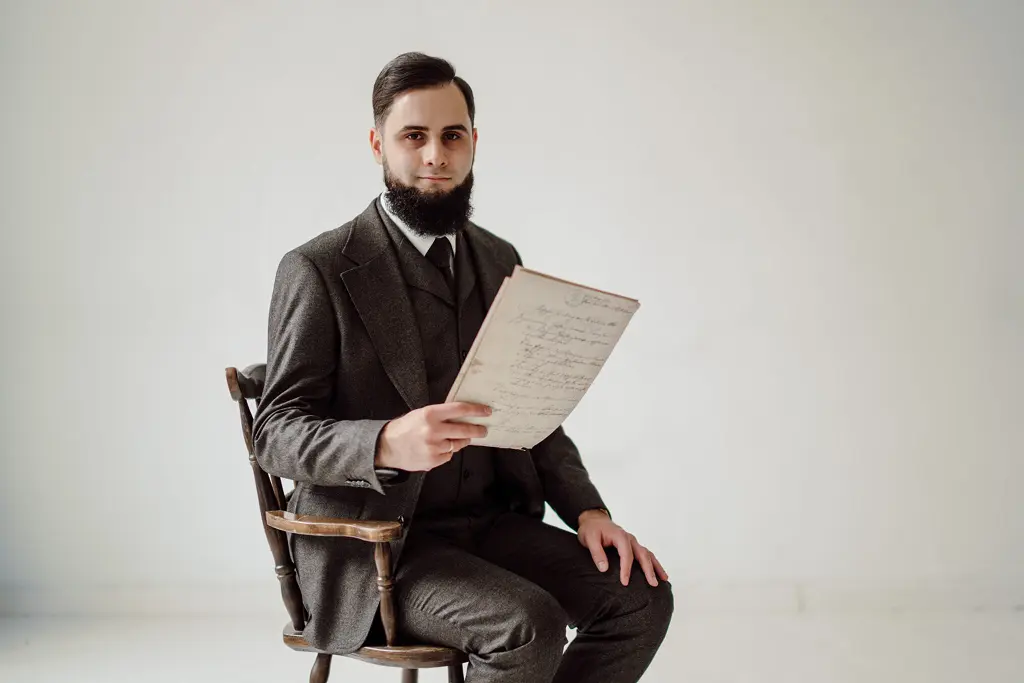
You don’t just get a verdict at the end. Every stage of research delivers something real you can hold, read, and share with your family. With each stage, you receive:
For you / Not for you
This is for you if…
This isn’t the right fit if…
Not sure which side you’re on? Start with origin research – we’ll find out exactly where your family came from, and what’s possible from there.
Answers to your questions
CONTACT
Let’s discover where your family story begins
Whether you have only a surname, the name of a village, or simply know your ancestors came from Poland, that is enough to begin.
Tell me what you already know, and I’ll personally explain what records are likely to exist, where we can begin, and how far your family’s story may be traced.
No obligation. Just an honest assessment of what’s possible.